Beyond the Wok: Healthy & Delicious Asian Cooking at Home
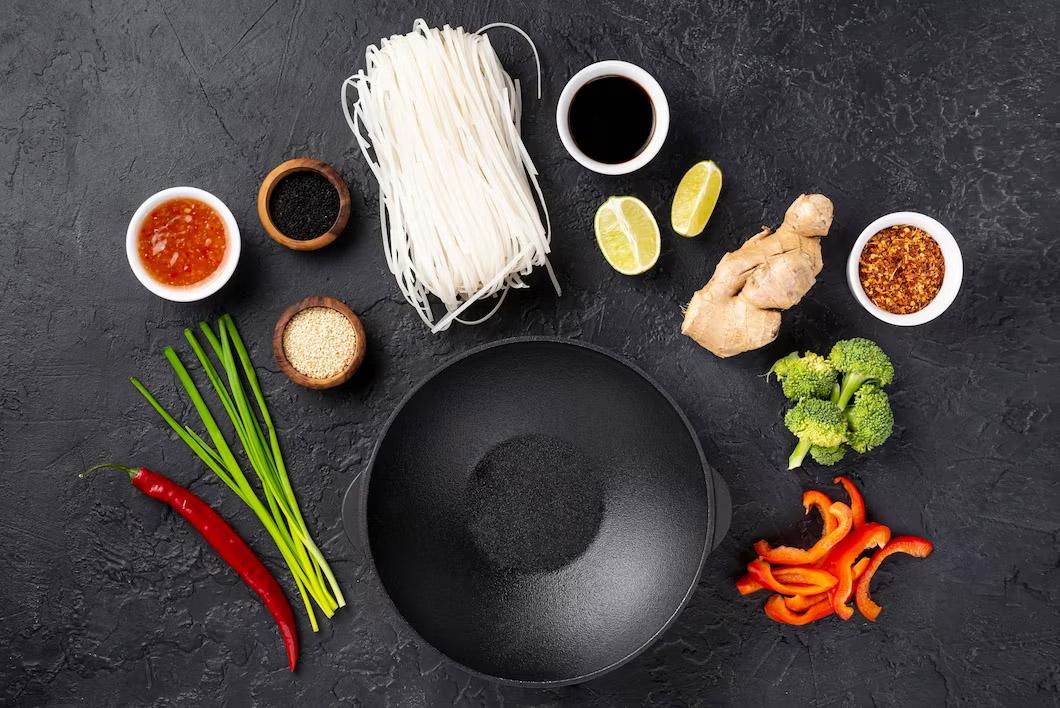
Rediscovering Wholesome Asian Flavors in Your Kitchen
Many individuals cherish the vibrant and diverse flavors of Asian cuisine, yet often limit their enjoyment to restaurant visits or convenient takeout. There's a widespread belief that preparing authentic, healthy Asian dishes at home is inherently complex, demanding exotic ingredients or specialized culinary skills. This perception frequently deters home cooks, leading to missed opportunities for creating delightful and nutritious meals within their own kitchens.
A significant barrier is the perceived intricacy of traditional Asian cooking methods. People often envision elaborate stir-fries or delicate steaming processes as daunting tasks. This intimidation often leads to reliance on pre-packaged sauces, which, while convenient, frequently contain high levels of sodium and sugar, undermining the potential health benefits of home-cooked meals. The aspiration for restaurant-quality taste often feels unattainable at home.
Furthermore, a common misconception exists regarding the healthfulness of Asian food. While many restaurant dishes are undeniably delicious, they can sometimes involve generous amounts of oil, deep-frying, or rich, calorie-dense sauces. This creates a dilemma for those striving for a balanced diet, making them hesitant to explore Asian recipes at home, fearing unintentionally unhealthy outcomes. Balancing authentic flavor with nutritional goals presents a core challenge.
The sheer breadth of Asian culinary traditions can also feel overwhelming. From the fiery notes of Thai curries to the delicate balances of Japanese preparations, the options are vast. Deciding where to begin, identifying genuinely beginner-friendly recipes, and understanding how to adapt traditional dishes for local ingredient availability and personal dietary preferences can feel like navigating a complex maze, leaving many aspiring home chefs feeling lost before they even start.
Underlying Factors Limiting Home Asian Cooking
- Lack of Fundamental Knowledge: Many home cooks are unfamiliar with basic Asian cooking techniques, leading to unsatisfactory results and discouragement.
- Misconceptions About Ingredients: There's a belief that specific, exotic ingredients are essential for authentic flavors, overlooking readily available substitutes.
- Intimidation by Perceived Complexity: The intricate presentation of some dishes, coupled with a lack of confidence, often deters individuals from attempting them.
Practical Approaches to Healthier Asian Home Cooking
1. Mastering Core Techniques and Smart Ingredient Choices
Start by embracing foundational Asian cooking techniques like stir-frying, steaming, and braising; these are accessible and form the backbone of countless dishes. Learn to adapt recipes using readily available ingredients, enhancing flexibility and reducing intimidation. Utilize fresh aromatics and spices to build natural, vibrant flavors, minimizing reliance on heavy sauces. A quality wok significantly improves stir-frying, bringing that desired "wok hei" taste to your kitchen. Asia Deliverys can assist in sourcing both traditional and adaptable ingredients, ensuring your culinary journey is smoother and more rewarding.
2. Prioritizing Freshness and Nutritional Balance
Shift your focus towards fresh, seasonal vegetables and lean protein sources, which are inherently healthy and add vibrancy to Asian cuisine. Integrate steaming and grilling more frequently, as these methods preserve nutrients and significantly reduce the need for added oils. Control portion sizes, especially for grains, and craft your own sauces from scratch to manage sodium and sugar content effectively. Explore fermented foods like kimchi and miso for their depth of flavor and probiotic benefits, and consider plant-based proteins such as tofu or tempeh for lighter, yet equally satisfying, meals.
3. Building Confidence Through Simple, Gradual Steps
Avoid starting with overly elaborate dishes; instead, begin with beginner-friendly recipes such as simple fried rice or basic stir-fries to gradually build your skills and confidence. Seek out and follow reputable culinary sources that provide clear, step-by-step instructions. Dedicate a specific time each week to trying a new Asian recipe, fostering consistent practice and expanding your culinary repertoire. Involve family members in the cooking process to make it a more enjoyable and less daunting experience. Embrace imperfections as valuable learning opportunities. Remember, Asia Deliverys is dedicated to supporting your culinary exploration by providing high-quality, authentic ingredients, making your journey into Asian home cooking both convenient and rewarding.
Potential Challenges and Mitigation Strategies
- Flavor Imbalance: Over-seasoning or using too much of one strong flavor can overpower a dish. Recommendation: Always taste as you go, adding seasonings incrementally. Start with less and adjust until the desired balance is achieved.
- Overcooking Delicate Ingredients: Vegetables or proteins can quickly become mushy or tough if cooked too long. Recommendation: Practice 'mise en place' – prepare all ingredients before cooking. Cook in batches if your pan is crowded for even, quick cooking.
- Ingredient Wastage: Purchasing specialty ingredients for a single recipe might lead to them expiring before being used again. Recommendation: Plan meals strategically. Look for multiple recipes that utilize the same unique ingredient, or explore ways to incorporate it into everyday dishes to ensure full utilization.

Rachel Simmons
This article really resonates with me. I've always wanted to try cooking more Asian dishes at home but felt intimidated by the perceived complexity and ingredient list. The advice on starting simple and adapting ingredients is incredibly helpful!
Andre Fernandez
Good overview of the challenges and some practical solutions. I appreciate the emphasis on fresh ingredients and making sauces from scratch. It's a bit general, but a solid starting point for anyone looking to improve their home cooking.
Ivy Stone
The section on risks is a nice touch. I've definitely been guilty of buying specialty items and then letting them sit in the pantry. Planning meals around key ingredients is a smart recommendation.
Alvin West
Thank you for your kind words! We're delighted to hear that our tips on simplifying Asian cooking and ingredient adaptation are useful. Our goal is to empower everyone to explore these delicious cuisines at home.
Pamela Wallace
We're glad you found the article informative! Focusing on fresh ingredients and homemade sauces is indeed a game-changer for healthier and more flavorful Asian meals. We hope it inspires you to try new recipes!
Ross Hunter
We appreciate your feedback! It's a common issue, and we're happy our suggestions for managing specialty ingredients resonated with you. Smart planning can certainly make a big difference in the kitchen.